




Apple Products Are Getting Harder to Justify
Apple Products Are Getting Harder to Justify
Apple has reached this strange point where I can look at a new product, think it looks incredible, and immediately ask myself another question:
Do I actually need this?
Because wanting Apple products and justifying Apple products have become two completely different things.
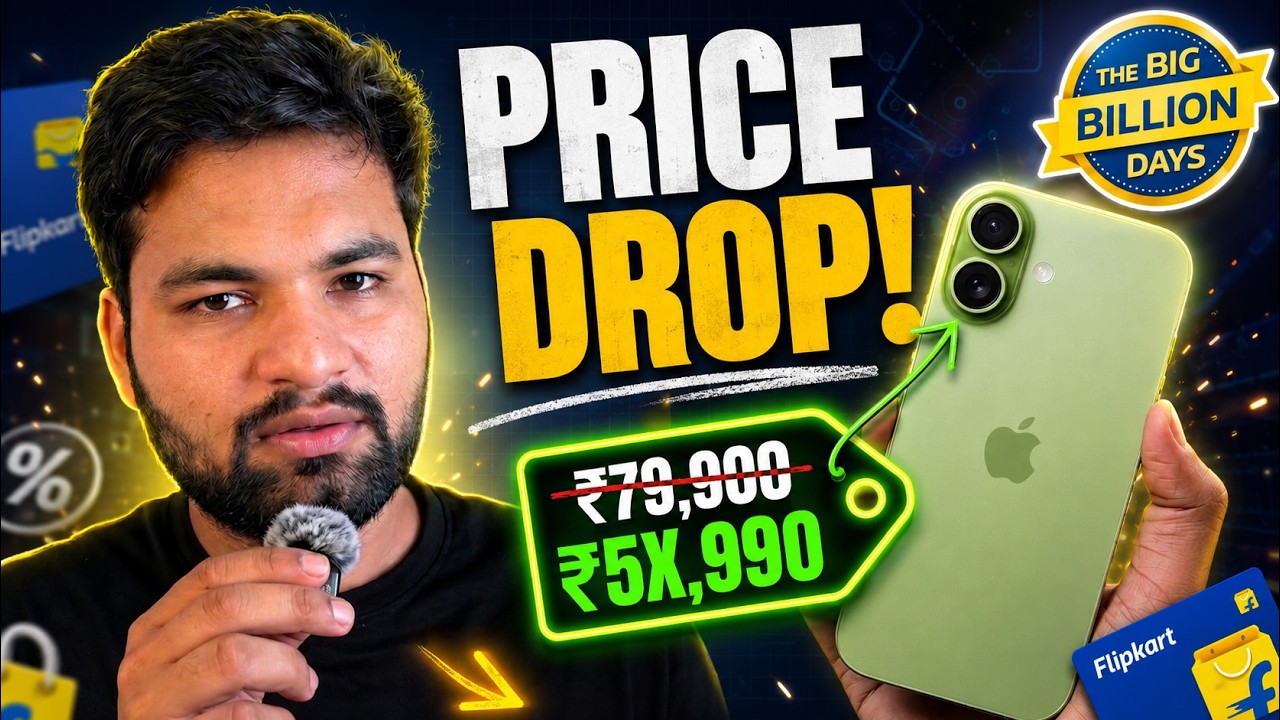
You see the new iPhone. It looks great.
New camera. New features. Everything polished. Everything smooth.
Then you look at the phone already sitting in your hand.
It works.
Maybe the battery isn’t what it used to be. Maybe there’s a scratch across the screen. Maybe it takes an extra second to open something.
But it works.
And suddenly that upgrade becomes much harder to explain to yourself.
The same thing happens with MacBooks.
You see the new one and start imagining how much more productive you’ll become.
Apparently this new laptop is going to transform you into a completely different human being.
You’ll answer every email.
Finish every project.
Organize your entire life.
Then you remember you already have a laptop sitting at home with seventeen browser tabs open that you haven’t touched since Tuesday.
Maybe the computer wasn’t the problem.
And I think people are starting to notice this across technology.
The upgrades keep coming, but the difference between “old” and “new” doesn’t always feel as dramatic as it once did.
Years ago, upgrading could feel like jumping into the future.
Your new phone was noticeably better.
Your new computer felt completely different.
You could actually feel the technological leap.
Now sometimes I look at a new device and think, “Yeah, that’s definitely better.”
But is it better enough?
That’s the question.
Because once something becomes expensive enough, “better” isn’t enough anymore.
It has to be worth replacing something that already works.
And Apple has another challenge.
The company is almost too good at making products people keep.
Think about how many people you know using an older iPhone.
Or an older MacBook.
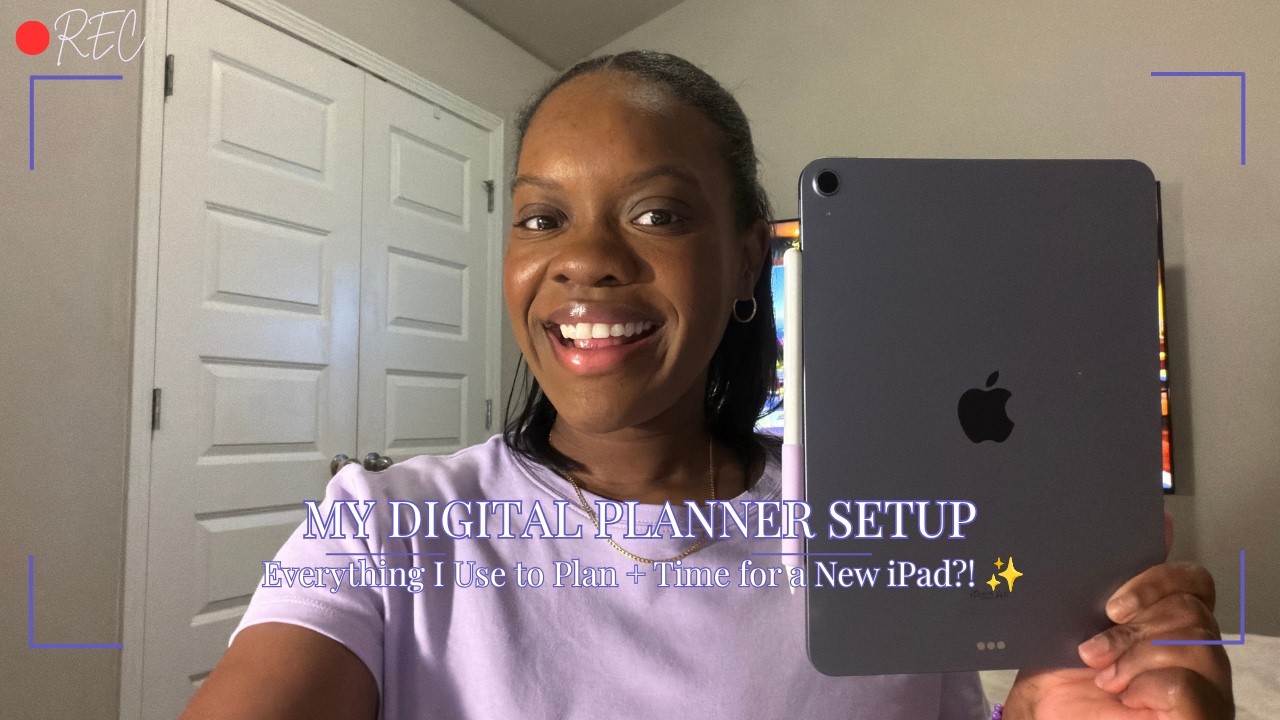
Or an iPad they bought years ago.
Maybe it has a cracked corner. Maybe the battery has seen better days. Maybe the storage is constantly yelling at them.
But the thing keeps going.
So people develop this strange relationship with their devices.
You start protecting them.
You buy the case.
You manage the storage.
You delete pictures.
You carry a charger everywhere.
You learn exactly which weird little problems your device has and how to work around them.
You’re basically maintaining a tiny electronic roommate.
Because replacing it means spending money you might rather use somewhere else.
And that’s where this becomes bigger than Apple.
People are becoming more selective about upgrades because there are so many things competing for the same paycheck.
Rent.
Food.
Transportation.
Subscriptions.
Insurance.
Bills you forgot existed until they automatically came out of your account.
So when a company says, “Here’s the new version,” the reaction isn’t automatically excitement anymore.
Sometimes it’s exhaustion.
Another upgrade?
Another payment?
Another accessory?
Another thing I’m supposed to replace even though the one I own still works?
And maybe that’s changing consumer culture.
For years, technology trained us to chase the next thing.
Newer meant better.
Better meant you wanted it.
Wanting it meant eventually buying it.
But people are starting to break that cycle.
Not because they suddenly stopped liking technology.
Because the calculation changed.
There’s a huge difference between saying, “I want the new iPhone,” and saying, “I need the new iPhone.”
And when money gets tighter, that difference becomes impossible to ignore.
That might actually be good for us.
Maybe we don’t need to replace everything just because something newer exists.
Maybe a phone should stay in your pocket until it actually stops doing what you need it to do.
Maybe a laptop doesn’t become useless because a thinner one appeared.
Apple can keep making beautiful products.
I’ll keep looking at them.
I’ll probably even want them.
But wanting something is easy.
The expensive part is convincing yourself that wanting it is enough.