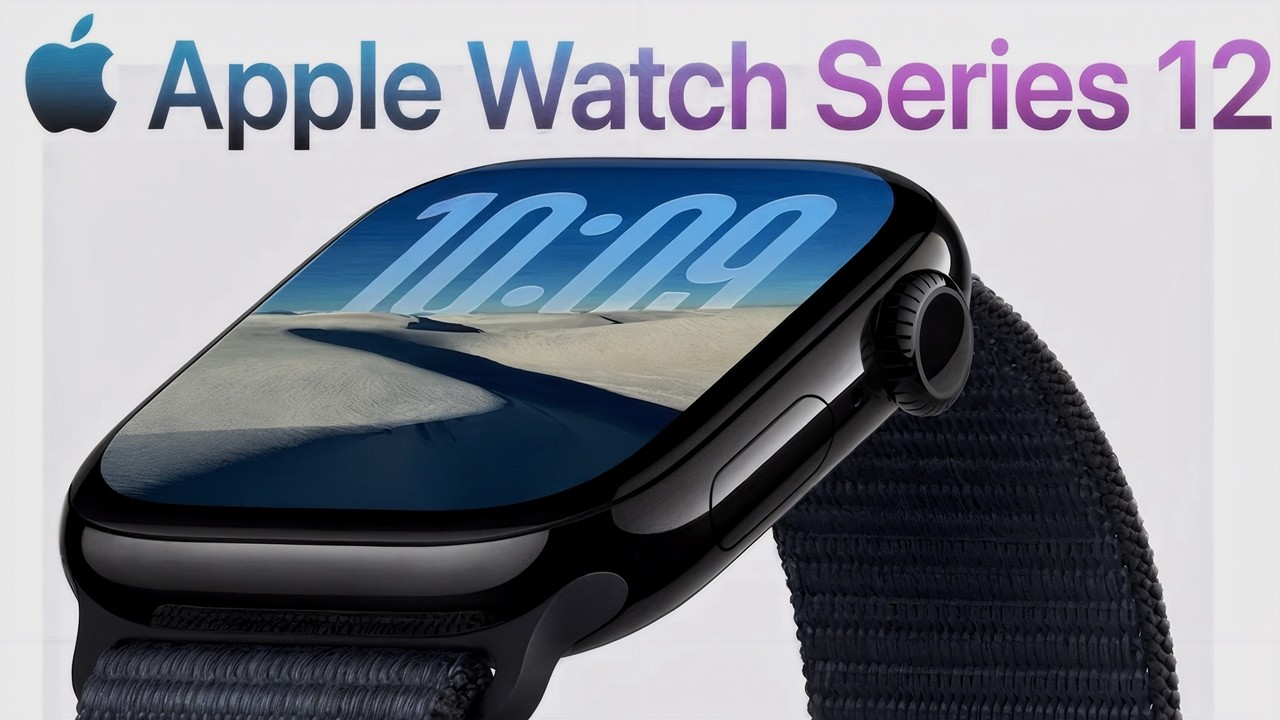
Apple Watch Series 12 LEAKS – OMG, BAD NEWS!
Apple Watch Series 12 LEAKS – OMG, BAD NEWS.
Recent rumors suggest that Apple is stepping back from introducing Touch ID on the 2026 Apple Watch lineup, including the anticipated Apple Watch Series 12 and Apple Watch Ultra 4. While initial leaks hinted at fingerprint authentication integrated into the side button or under the display, the latest insights reveal that this feature may be sacrificed due to critical internal space constraints. The Apple Watch’s compact design already balances competing priorities such as battery size, health sensors, structural components, and other hardware. Adding Touch ID would require additional parts and assembly complexity, potentially reducing battery capacity or limiting the integration of advanced health sensors.
Apple’s current unlocking mechanism relies on a trusted chain with the paired iPhone and wrist detection, which, although imperfect, provides a mostly frictionless experience. Introducing biometric authentication may add more steps and reduce the immediacy users expect when interacting with the watch. Furthermore, implementing Touch ID reliably on a small, water-resistant device used in various conditions would increase production costs and risk affecting device pricing and availability.
Instead, Apple appears focused on enhancing health-related features for the upcoming models. These upgrades include improved blood pressure trend tracking, progress toward non-invasive glucose monitoring, and AI-driven health insights that analyze sleep, workouts, and recovery patterns. The Series 12 is also expected to incorporate a more efficient processor for better speed and power management, as well as a refined LTPO display to extend battery life. These improvements align with Apple’s strategy of prioritizing health intelligence, battery endurance, and overall efficiency, rather than introducing new biometric authentication methods at this stage.
A major redesign capable of accommodating Touch ID without compromising other features is unlikely before 2028, suggesting biometric unlocking may arrive later when Apple can re-architect the watch internals. For now, the trade-off favors better health monitoring, longer battery life, and smarter software, which Apple considers more meaningful upgrades for users than Touch ID.
Highlights.
– 🔋 Apple prioritizes battery life and health sensors over Touch ID in the 2026 Apple Watch models.
– 🔍 Touch ID’s physical space and integration challenges clash with the watch’s compact design.
– 🛡️ Current unlocking uses wrist detection and iPhone trust, offering frictionless user experience.
– ❤️🩹 Health tracking improvements include blood pressure trends, glucose monitoring development, and AI-powered insights.
– ⚡ Series 12 expected to feature a faster, more efficient chip and refined LTPO display for better battery endurance.
– 💰 Adding Touch ID could increase costs, complicate manufacturing, and raise prices.
– 🔄 A major redesign enabling biometric sensors on the watch might only happen around 2028.
Keywords.
– Apple Watch
– Touch ID
– Battery Life
– Health Sensors
– Biometric Authentication
– AI Health Insights
– Series 12.
So, if you all had a good time watching the video, please show your support by hitting the like and subscribing. ❤️❤️
—– video, title:——-
-Every Apple Watch 2026 — Ultra 4 LEAKS, Watch 12 LEAKS… Everything!
-My Wishlist for WatchOS 12: Features We Want on the Apple Watch | All Things Mobile
-Why You NEED an Apple Watch in 2026 — Health, Productivity, Travel & iPhone Freedom ⌚️✨
-Apple Watch Series 12 Rumors, Release Date & Touch ID Leak (Expected 2026)
-iPhone 18 Pro is INSANE – Final Design CONFIRMED!
-iPhone 18 Pro Max: The “Micro-Island” is Finally Here
———————————————————————
visit our website – https://bit.ly/4tF1DVK
Subscribe to our channel – https://bit.ly/4aj6X9R
#A20Pro #UnderDisplayFaceID #AppleSilicon #Wi-Fi8 #Starlink #VariableAperture #FoldableiPhone #iPhoneAir #MobilePhotography #2nm
Copyright Disclaimer under Section 107 of the Copyright Act 1976:
Allowance is made for “fair use” for purposes such as criticism, comment, news reporting, teaching, scholarship, education, and research.
Fair use is a use permitted by copyright statute that might otherwise be infringing.
Non-profit, educational, or personal use tips the balance in favor of fair use.